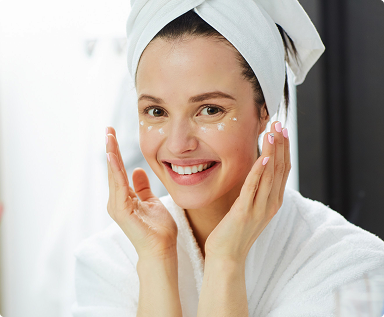
If you have acne, you may wonder whether simply washing your face with soap can make pimples disappear. The short answer is not usually. Soap can remove excess oil, dirt, sweat, and other substances from the surface of your skin, but ordinary soap does not necessarily treat the underlying causes of acne.
So, does soap remove acne? It can help keep acne-prone skin clean, but the type of soap or cleanser you use matters, and regular harsh soap may actually irritate your skin.
Does Soap Remove Acne?
Regular soap does not cure acne.
Washing your face can remove excess oil, sweat, makeup, and surface debris. This can make your skin feel cleaner and may support an acne-friendly skincare routine. However, cleansing alone generally isn’t enough to treat persistent acne.
The goal is not to make your skin feel extremely dry or “squeaky clean.” In fact, excessive washing, scrubbing, or using harsh products can irritate the skin and potentially make breakouts worse. Dermatologists recommend gently washing acne-prone skin up to twice a day and after sweating. American Academy of Dermatology+1
Soap vs. acne cleanser
| Product | What it can do | Is it ideal for acne? |
|---|---|---|
| Traditional bar soap | Removes oil, dirt, and sweat | Not always; may be irritating |
| Gentle cleanser | Cleans without unnecessarily irritating skin | Yes |
| Syndet cleanser | Cleans while being less irritating than traditional alkaline soap | A reasonable option |
| Salicylic acid cleanser | Helps unclog pores | Useful for some acne |
| Benzoyl peroxide wash | Targets acne-causing bacteria and inflammatory acne | Useful for some acne |
| Harsh exfoliating soap | Removes surface oil and dead skin | Can irritate acne-prone skin |
NICE notes that non-alkaline syndet cleansing products are less irritating than traditional soap bars and may reduce inflammatory and non-inflammatory acne lesion counts when used as general skin care. However, the evidence is limited, and cleansing should not be considered a substitute for appropriate acne treatment. Nice
Why Does Soap Sometimes Make Acne Look Better?
You may notice that pimples appear less oily or less noticeable after washing. There are several reasons for this.
Soap or cleanser can temporarily remove:
- Excess oil
- Sweat
- Dirt and environmental debris
- Makeup
- Some surface bacteria
- Dead skin and other residue
This can make the skin feel cleaner. However, the effect is usually temporary because cleansing does not address every process involved in acne formation.
For example, blackheads and whiteheads form when pores become clogged with oil and dead skin cells. Inflammatory pimples develop when the clogged follicle becomes inflamed. American Academy of Dermatology
That’s why simply washing a pimple with ordinary soap may not make it disappear.
Can the Wrong Soap Make Acne Worse?
Yes, potentially.
A common mistake is assuming that stronger soap will produce clearer skin. People with oily skin sometimes use harsh soaps, scrubs, or products that leave their face extremely dry.
But irritation can make acne-prone skin harder to manage. The AAD specifically recommends avoiding aggressive scrubbing and using a mild, non-comedogenic cleanser instead. American Academy of Dermatology
Watch out for products that leave your skin:
- Very tight
- Burning
- Stinging
- Excessively dry
- Red or irritated
- Flaky or peeling
If a soap repeatedly causes these reactions, it may not be suitable for your face.
What Kind of Soap Is Best for Acne-Prone Skin?
If you want to use a cleansing bar, look for a product designed for sensitive or acne-prone skin rather than assuming that ordinary body soap is appropriate for your face.
A good acne-friendly cleanser should ideally be:
- Gentle
- Non-abrasive
- Non-comedogenic
- Suitable for your skin type
- Free from unnecessarily irritating ingredients
- Easy to rinse off
For acne-prone skin, “stronger” does not necessarily mean “better.”
The AAD recommends gentle, non-abrasive cleansing and products labeled oil-free or non-comedogenic for people with acne-prone skin. American Academy of Dermatology+1
Is Antibacterial Soap Good for Acne?
Antibacterial soap is often marketed as a solution for acne because acne involves bacteria. However, that doesn’t mean that any antibacterial soap is an effective acne treatment.
Acne is more complicated than simply having bacteria on the surface of your skin. Clogged pores, excess oil, inflammation, and other biological processes are involved.
Instead of choosing a product solely because it says “antibacterial,” consider whether it contains an acne-fighting ingredient that has evidence behind its use.
For example, dermatologists commonly recommend ingredients such as:
- Benzoyl peroxide – useful for inflammatory acne and helps reduce acne-causing bacteria.
- Salicylic acid – helps unclog pores and can be particularly useful for blackheads and whiteheads.
- Adapalene – a retinoid that helps prevent clogged pores and treats several types of acne.
- Azelaic acid – can help treat acne and may also help with dark marks left after acne. American Academy of Dermatology
Can Salicylic Acid Soap Help Acne?
A cleanser containing salicylic acid may be more useful for acne than ordinary soap because salicylic acid can help unclog pores.
The AAD lists salicylic acid among non-prescription acne treatments and notes that it works particularly well for whiteheads and blackheads. American Academy of Dermatology
However, everyone’s skin reacts differently. If a salicylic acid cleanser causes significant dryness or irritation, reduce use or stop using it and consider a gentler option.
Can Benzoyl Peroxide Soap Help Acne?
Benzoyl peroxide is another commonly used acne-fighting ingredient.
A benzoyl peroxide wash can be useful for inflammatory acne because benzoyl peroxide helps reduce acne-causing bacteria. The AAD recommends benzoyl peroxide among evidence-based options for mild acne. American Academy of Dermatology+1
One important point: a benzoyl peroxide cleanser is an acne treatment, not the same thing as ordinary soap.
If you are specifically looking for a product to treat acne, focus on the active ingredient rather than simply looking for the word “soap” on the packaging.
How Often Should You Wash Your Face If You Have Acne?
For most people with acne-prone skin, washing too frequently is not better.
The AAD recommends washing acne-prone skin up to twice daily and after sweating. American Academy of Dermatology+1
A simple routine is:
Morning
- Gently cleanse your face.
- Apply an acne treatment if appropriate for your routine.
- Use a non-comedogenic moisturizer.
- Apply sunscreen.
Evening
- Remove makeup or sunscreen.
- Gently cleanse your face.
- Apply your acne treatment.
- Apply moisturizer.
You don’t need to scrub your skin aggressively to remove acne.
How to Wash Your Face Without Making Acne Worse
Follow these simple steps:
- Wet your face with lukewarm water.
- Apply a gentle cleanser with your fingertips.
- Massage gently rather than scrubbing.
- Rinse thoroughly.
- Pat your skin dry with a clean towel.
- Apply a suitable moisturizer if your skin feels dry.
Avoid rough washcloths, aggressive brushes, and harsh scrubbing. Dermatologists specifically caution that scrubbing can irritate acne-prone skin. American Academy of Dermatology
Common Mistakes People Make When Using Soap for Acne
1. Washing the face too many times
If washing twice seems good, washing five or six times might seem even better. It isn’t.
Over-washing can irritate the skin and potentially worsen breakouts. American Academy of Dermatology
2. Scrubbing pimples
Scrubbing doesn’t physically remove the root of acne. Instead, it can irritate the skin.
3. Using body soap on the face
Some body soaps may be too harsh or drying for facial skin.
4. Trying to make the skin extremely dry
Acne-prone skin still needs hydration. The goal is balanced, comfortable skin rather than completely removing all oil.
5. Changing products every few days
Acne treatments generally need time to work. The AAD notes that it can take several weeks to see improvement, and complete clearing can take longer. American Academy of Dermatology+1
6. Popping pimples
Popping or squeezing acne can increase inflammation and the risk of lingering marks and scarring. American Academy of Dermatology
What Should You Look for in an Acne Soap or Cleanser?
Instead of choosing a product based only on marketing claims, check its ingredients and formulation.
| What to look for | Why it matters |
|---|---|
| Gentle formulation | Helps reduce unnecessary irritation |
| Non-comedogenic | Less likely to clog pores |
| Oil-free | Can be useful for acne-prone skin |
| Salicylic acid | Helps unclog pores |
| Benzoyl peroxide | Helps treat inflammatory acne |
| Fragrance-free or low-irritant | May be preferable for sensitive skin |
| Syndet formulation | Can be less irritating than traditional alkaline soap |
Not every person needs an acne cleanser containing an active ingredient. If your acne is mild, a gentle cleanser combined with an appropriate acne treatment may be enough.
Does Natural or Herbal Soap Remove Acne?
“Natural” does not automatically mean “acne-safe.”
An herbal or natural soap may feel pleasant and may clean the skin, but the word natural does not prove that a product can treat acne.
Some botanical ingredients can also irritate sensitive skin.
When evaluating an acne product, focus on:
- The ingredients
- The formulation
- Whether it irritates your skin
- Whether it is non-comedogenic
- Evidence supporting its active ingredients
- How your skin responds over time
Does Soap Remove Acne Scars or Dark Spots?
No. Ordinary soap does not remove acne scars.
It’s also important to distinguish between an acne scar and a dark mark left after a pimple.
Dark spots after acne can be post-inflammatory hyperpigmentation, while true acne scars may involve changes in the skin’s texture.
Simply washing the area with soap won’t correct these changes.
Some acne treatments can help prevent new breakouts, and certain ingredients such as azelaic acid may also help fade dark spots. American Academy of Dermatology
When Should You See a Dermatologist?
A cleanser may be appropriate for everyday skin care, but some acne requires professional treatment.
Consider seeing a dermatologist if you have:
2. Scrubbing pimples
Does Soap Remove Acne Scars or Dark Spots?
- Large or painful pimples
- Deep nodules or cysts
- Acne that is leaving scars
- Acne that isn’t improving with appropriate over-the-counter treatment
- Frequent or worsening breakouts
- Significant dark marks after acne
- Acne that is affecting your quality of life
The AAD notes that deep, painful acne and acne that causes scarring often requires dermatologist-guided treatment. American Academy of Dermatology
Final Verdict: Does Soap Remove Acne?
Soap can clean acne-prone skin, but ordinary soap does not usually remove or cure acne.
For clearer skin, the better approach is to use a gentle cleanser and, when appropriate, an acne treatment containing an evidence-based active ingredient such as salicylic acid, benzoyl peroxide, adapalene, or azelaic acid. American Academy of Dermatology
Most importantly, don’t try to scrub acne away. Be gentle, avoid excessive washing, choose non-comedogenic skincare products, and give an appropriate treatment enough time to work.
If your acne is painful, deep, persistent, or causing scars, professional dermatological advice can help you choose a treatment appropriate for your skin.
I’ve structured this around the primary keyword “does soap remove acne”, with related terms such as soap for acne, best soap for acne-prone skin, salicylic acid soap, antibacterial soap for acne, and acne cleanser worked in naturally. The medical claims are grounded in current dermatology guidance from the AAD and NICE. American Academy of Dermatology+1
If you want, I can also turn this into a fully SEO-ready blog package with a meta title, meta description, URL slug, FAQs/schema questions, secondary keywords, and an SEO-friendly H1–H3 structure.
Frequently Asked Questions
Does soap remove pimples overnight?
No. Ordinary soap may clean away oil and surface debris, but it doesn’t usually make an acne lesion disappear overnight.
Is washing your face with soap good for acne?
It depends on the soap. A gentle cleanser can be helpful, while harsh traditional soap may irritate acne-prone skin.
Can soap prevent acne?
Cleansing can be part of an acne-friendly routine, but soap alone generally isn’t enough to prevent all acne.
Should I wash my face three times a day for acne?
Usually, more washing isn’t better. Dermatologists recommend cleansing up to twice daily and after sweating. American Academy of Dermatology
Is antibacterial soap better for acne?
Not necessarily. Acne involves clogged pores, oil, inflammation, and bacteria, so choosing an evidence-based acne treatment is more useful than relying on an “antibacterial” label alone.
Is salicylic acid soap good for acne?
A salicylic acid cleanser can help unclog pores and may be useful for blackheads and whiteheads. American Academy of Dermatology
Can soap make acne worse?
Yes. Harsh cleansing, excessive washing, and aggressive scrubbing can irritate acne-prone skin and make breakouts appear worse. American Academy of Dermatology
know more about us. facebook
this is alright, but u still need practising like this is so basic like a beginner level.