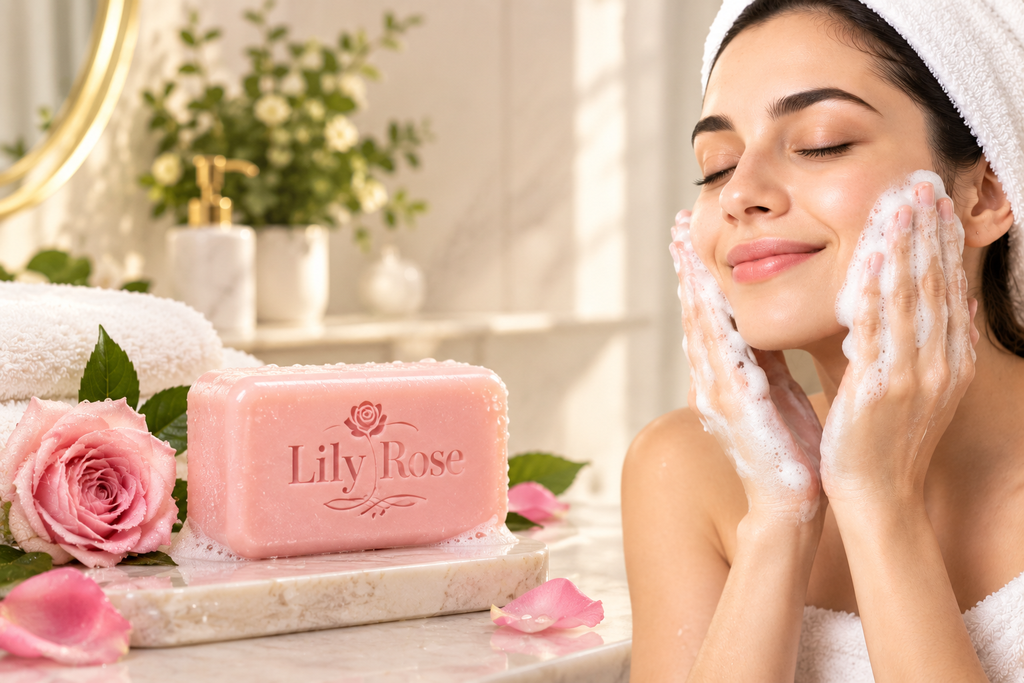
Soap is one of the most common products we use every day. From washing our hands to taking a shower, it plays an important role in keeping our skin clean. Although using it may seem like a simple part of our daily routine, it has an important scientific purpose. It also helps remove dirt, excess oil, sweat, and many germs from the surface of our skin.
Why Is Keeping Our Skin Clean Important?
Our skin is the largest organ of the human body and acts as a protective barrier between our body and the outside environment. Throughout the day, our skin comes into contact with dust, pollution, sweat, oils, and microorganisms.
If these substances remain on the skin for long periods, they can contribute to unpleasant odors, clogged pores, and some skin problems. Regular washing helps remove unwanted substances and keeps the skin feeling fresh and comfortable.
How Does Soap Clean the Skin?
The special cleaning ability of soap comes from its chemical structure. It molecules have two different ends. One end is attracted to water, while the other is attracted to oils and fats.
When we apply soap and water to our skin, it molecules surround oils, dirt, and other substances. This allows them to mix with water more easily. When we rinse our skin, the water carries away the soap along with the trapped dirt and oils.
This is why simply rubbing the skin with water may not remove oily substances as effectively as washing with soap.
Soap and Germs
Our hands and skin can pick up microorganisms from many surfaces throughout the day. These can include bacteria and viruses. Washing with soap and water helps remove many of these microorganisms from the skin.
This is particularly important before eating, after using the bathroom, after coughing or sneezing, and after touching potentially contaminated surfaces.
It is important to understand that ordinary soap does not necessarily kill every microorganism. Instead, one of its major benefits is helping loosen and remove microorganisms from the skin so they can be washed away.
Soap Helps Remove Excess Oil
Our skin naturally produces an oily substance called sebum. Sebum helps protect and moisturize the skin, but too much oil can mix with dead skin cells and dirt.
Regular cleansing can remove excess oil and help keep the skin feeling clean. However, washing too frequently or using very harsh soap can remove too much of the skin’s natural oil and cause dryness or irritation.
Therefore, maintaining a balance is important.
Choosing the Right Soap for Your Skin
Not every soap is suitable for every person. Different people have different skin types, such as dry, oily, normal, or sensitive skin.
People with dry or sensitive skin may prefer mild, fragrance-free cleansers that are less likely to cause irritation. People with oily skin may want a cleanser that effectively removes excess oil without making the skin excessively dry.
When choosing a soap or cleanser, it is useful to consider the ingredients and how your skin reacts to the product.
The Importance of Proper Handwashing
One of the most important uses of soap is handwashing. Our hands frequently touch our face, food, phones, door handles, and other objects. Washing them properly can reduce the spread of many infections.
A good handwashing routine includes wetting the hands, applying soap, rubbing the hands thoroughly—including the backs of the hands, between the fingers, and around the nails—and then rinsing with clean water. Drying the hands afterward is also an important part of the process.
Can Too Much Soap Be Harmful?
Although soap is useful, more soap does not always mean cleaner or healthier skin. Excessive washing, very hot water, or harsh cleansing products can damage the skin’s protective barrier.
This may lead to dryness, redness, itching, or irritation. People with sensitive skin may be especially affected.
For healthy skin, it is generally better to use a gentle cleanser and avoid unnecessarily aggressive scrubbing.
Soap and Overall Skin Health
Clean skin is only one part of maintaining healthy skin. A healthy skincare routine can also include moisturizing when needed, protecting the skin from excessive sun exposure, drinking enough fluids, eating a balanced diet, and avoiding products that cause irritation.
Soap should therefore be viewed as one useful part of overall personal hygiene rather than a complete solution for every skin problem.
Conclusion
Soap plays an important role in keeping our skin clean and supporting good personal hygiene. Its unique chemical structure allows it to lift away oils, dirt, sweat, and many microorganisms so that they can be rinsed from the skin with water.
Using the right soap and washing properly can help keep the skin clean and comfortable. However, using harsh products or washing excessively can cause dryness and irritation. The best approach is to maintain a healthy balance: clean the skin regularly, choose products appropriate for your skin, and take care of the skin’s natural protective barrier.
In our daily lives, soap may seem like a simple product, but its ability to remove unwanted substances makes it an essential tool for cleanliness and healthy hygiene.
If you want to know more about us click here.
Click here if you want to know How Soap Keeps Us Healthy.