Bathing is an essential part of everyday personal hygiene. But with so many products available, from traditional bar soaps to body washes and shower gels, which one should you choose?
Soap remains a popular choice for bathing because it is affordable, convenient, and effective at removing everyday dirt, sweat, and excess oil.
The right soap can help keep your skin clean and fresh without making your bathing routine complicated or expensive.
In this article, we’ll explore the 8 key benefits of using soap for bathing, compare soap with other cleansing products, and share simple tips for choosing the right soap for your skin.
1. What Is Bathing Soap and How Does It Work?
Bathing soap is a cleansing product that helps remove dirt, sweat, excess oil, and other impurities from your skin.
Traditional soap is made by combining fats or oils with an alkali. Many modern cleansing bars also contain ingredients designed to improve their texture, fragrance, or moisturizing properties.
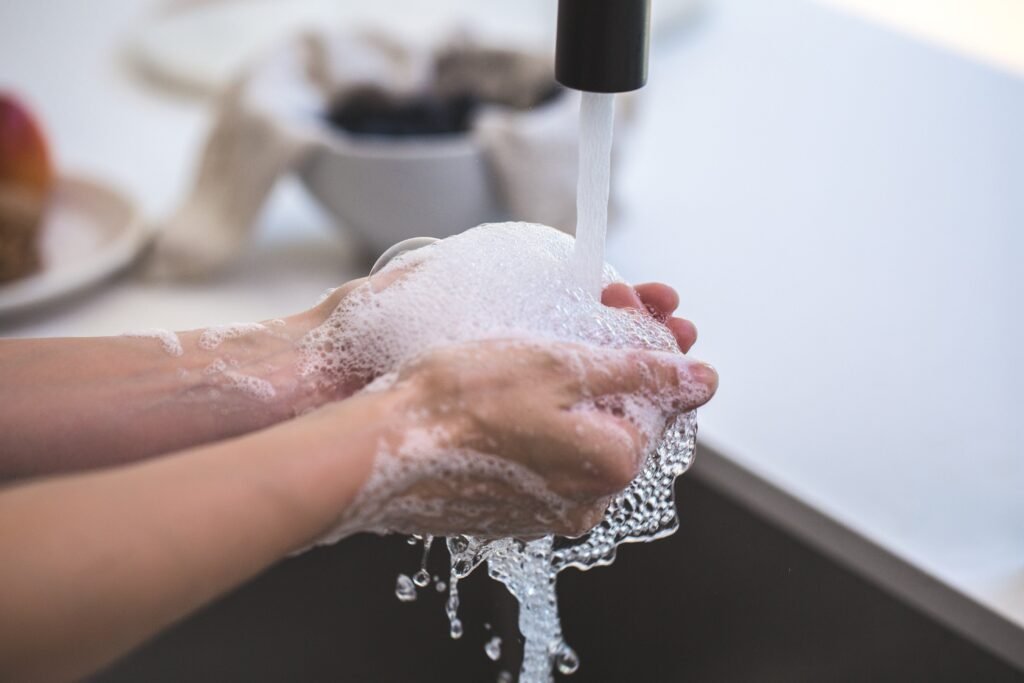
When you wash with soap and water, the cleanser helps loosen dirt and oily substances so they can be rinsed away.
The result? Clean, refreshed skin and a simple way to maintain everyday personal hygiene.
It’s worth noting that some cleansing bars are soap-free detergent products. These may be a better choice for people whose skin is easily irritated by traditional soap.
2. Eight Benefits of Using Soap for Bathing
1. Effectively Removes Dirt and Excess Oil
Throughout the day, your skin accumulates sweat, excess oil, dust, and other environmental impurities.
Bathing with a suitable soap helps wash away this buildup, leaving your skin feeling clean and refreshed.
This is particularly useful after exercise, outdoor activities, or spending time in hot and humid weather.
Why it matters: Regular cleansing helps keep your skin clean and comfortable.
2. Supports Everyday Personal Hygiene
Maintaining personal hygiene is important for everyday comfort and well-being.
Soap helps cleanse areas where sweat, oil, and dirt tend to accumulate, making it a practical addition to your daily bathing routine.
For better results:
- Use a suitable cleanser with lukewarm water.
- Pay attention to areas that need regular cleansing.
- Rinse thoroughly to remove product residue.
- Dry your skin gently with a clean towel.
A simple, consistent routine is often more useful than an unnecessarily complicated one.
3. Helps Reduce Unpleasant Body Odor
Body odor often develops when bacteria on the skin break down substances in sweat.
Washing with soap and water helps remove sweat, oils, and some of the bacteria associated with unpleasant odors.
This makes soap especially useful after workouts, outdoor activities, or long days in warm weather.
Keep in mind: Soap helps cleanse your skin, but it doesn’t necessarily stop sweating. If you need additional odor or sweat control, a deodorant or antiperspirant may help.
4. Is Often an Affordable Bathing Option
One reason bar soap remains popular is its affordability.
Many bar soaps are available at budget-friendly prices and can last for numerous uses when stored properly.
Compared with some bottled body washes, an affordable bar soap can help reduce the cost of your everyday personal care routine.
To make your soap last longer, keep it on a draining soap dish and allow it to dry between uses.
5. Offers a Wide Variety of Choices
Not every soap is the same. Different products are formulated to meet different preferences and skin care needs.
You can find:
- Moisturizing soaps for a more comfortable cleansing experience.
- Fragrance-free cleansing bars for people who prefer to avoid added fragrance.
- Exfoliating soaps designed to remove surface buildup, although they may irritate sensitive skin.
- Glycerin-containing soaps that may help improve the skin’s feel.
- Herbal or botanical soaps for people who prefer products containing plant-derived ingredients.
However, natural ingredients are not automatically gentler. Always consider the complete formulation and how your skin responds.
6. Is Convenient for Everyday Use and Travel
Bar soap is compact, easy to store, and simple to use.
Unlike liquid cleansers, it doesn’t require a pump bottle or dispenser. You can also carry it in a suitable soap case when traveling.
It’s a practical choice for:
- Everyday bathing at home
- Gym and fitness bags
- Travel kits
- People who prefer simple personal care products
Proper storage helps keep your soap firm and prevents it from dissolving too quickly.
7. Can Be Suitable for Different Skin Types
Choosing the right soap matters just as much as choosing to use soap in the first place.
Different skin types respond differently to cleansing ingredients.
Here’s a simple guide:
- Dry skin: Choose a gentle, moisturizing cleanser that doesn’t leave your skin feeling tight.
- Oily skin: Look for a cleanser that removes excess oil without causing excessive dryness.
- Sensitive skin: Consider a mild, fragrance-free cleansing bar or soap-free cleanser.
- Normal skin: Choose a gentle product that leaves your skin feeling comfortable.
Traditional soap can be more alkaline than the skin’s natural surface, which may contribute to dryness or irritation.
If you have eczema or persistent skin sensitivity, a gentle, soap-free cleanser may be a better option.
8. May Help Reduce Packaging Waste
If you’re trying to make more mindful purchasing decisions, bar soap may be worth considering.
Many bar soaps come in paper-based or minimal packaging, while liquid cleansers are commonly sold in plastic bottles.
Depending on the product, bar soap may help reduce packaging waste and eliminate the need for a pump dispenser.
However, environmental impact also depends on ingredients, manufacturing, transportation, and packaging materials. Bar soap isn’t automatically the more sustainable option in every situation.
3. Soap vs. Body Wash vs. Shower Gel: What’s the Difference?
Soap, body wash, and shower gel all help cleanse the skin, but they differ in formulation, texture, packaging, and convenience.
| Feature | Bar Soap | Body Wash | Shower Gel |
|---|---|---|---|
| Form | Solid bar | Liquid | Gel or liquid |
| Application | Directly or with a washcloth | Hands or washcloth | Hands or washcloth |
| Cost | Often affordable | Varies by brand | Varies by brand |
| Packaging | May use minimal packaging | Usually a bottle | Usually a bottle |
| Skin feel | Depends on the formula | Often available in moisturizing formulas | Depends on the formula |
| Convenience | Compact and portable | Easy to dispense | Easy to dispense |
So, Which One Should You Choose?
The answer depends on your skin and personal preferences.
Choose bar soap if you:
- Prefer a simple, affordable cleansing product.
- Want a compact option for travel.
- Prefer products that may come in minimal packaging.
Choose body wash or shower gel if you:
- Prefer liquid cleansing products.
- Want a specific moisturizing or fragrance-free formulation.
- Find liquid products easier to dispense and use.
Ultimately, the best choice is the product that cleans your skin effectively without leaving it excessively dry or irritated.
4. Is Soap Good for Daily Bathing?
For many people, using a suitable cleanser during daily bathing is a reasonable part of personal hygiene.
However, your bathing routine should also account for your skin type, activity level, climate, and personal needs.
If you live in a hot climate or exercise regularly, bathing can help remove accumulated sweat and dirt. On the other hand, frequent hot showers and harsh cleansing products may worsen dryness.
Tips for a Skin-Friendly Bathing Routine
- Use lukewarm water instead of very hot water.
- Choose a gentle cleanser suited to your skin.
- Avoid excessive scrubbing.
- Rinse your skin thoroughly.
- Apply moisturizer after bathing if your skin tends to feel dry.
The goal is simple: Keep your skin clean while protecting its natural moisture barrier.
5. How to Choose the Right Soap for Your Skin
With so many options available, choosing the right bathing soap can feel confusing. These simple tips can help.
Check the Ingredients
Look for a formulation that cleanses effectively without causing discomfort.
Moisturizing ingredients may improve how a cleanser feels on the skin, while fragrances and certain additives may irritate sensitive skin.
If you have known allergies or sensitivities, check the ingredient list carefully.
Consider Your Skin Type
Your skin type can help guide your choice.
For example, dry or sensitive skin often benefits from gentle, fragrance-free cleansers. Oily skin may benefit from a cleanser that removes excess oil without stripping the skin.
Remember that oily skin can also become irritated by harsh products.
Don’t Choose Soap Based on Fragrance Alone
A pleasant fragrance may make bathing more enjoyable, but it doesn’t necessarily mean a soap is better for your skin.
If your skin is sensitive, fragrance-free products are often a sensible starting point.
Pay Attention to Your Skin’s Response
After bathing, your skin should feel clean and reasonably comfortable.
If you regularly experience tightness, itching, redness, or flaking, your cleanser may be too harsh or contain an ingredient that irritates your skin.
Consider switching to a gentler product. If symptoms persist, seek advice from a healthcare professional.
Conclusion: Is Soap a Good Choice for Bathing?
Soap continues to be a practical option for everyday bathing because it helps remove dirt, sweat, and excess oil while offering convenience, affordability, and a wide variety of formulations.
Compared with body wash and shower gel, bar soap may be particularly appealing if you prefer a compact, simple, and potentially economical product.
However, no single cleanser is ideal for everyone.
The best bathing soap is one that cleans your skin effectively without leaving it excessively dry or irritated.
Choose a formula that suits your skin type, pay attention to its ingredients, and keep your bathing routine simple. With the right product, everyday cleansing can be both comfortable and effective.
7. Frequently Asked Questions About Bathing Soap
Neither is universally better. Both can cleanse effectively, and the right choice depends on the formulation, your skin type, preferences, and budget.
Many people can use a suitable cleanser daily. Choose a gentle product and adjust your routine if your skin becomes dry or irritated.
A gentle, moisturizing, fragrance-free cleansing bar or soap-free cleanser is often a good starting point. Using moisturizer after bathing can also help reduce dryness.
Bar soap is generally suitable for personal bathing when stored properly. Keep it on a draining soap dish and allow it to dry between uses. Avoid sharing it when someone has a skin infection or when hygiene concerns make sharing inappropriate.
Soap and water help remove dirt and microorganisms from the skin’s surface. Ordinary bathing soap does not sterilize the skin, nor is sterilization necessary for routine personal hygiene.
Not necessarily. Both natural and commercially manufactured products can be suitable. Choose a cleanser based on its ingredients, effectiveness, and how your skin responds.